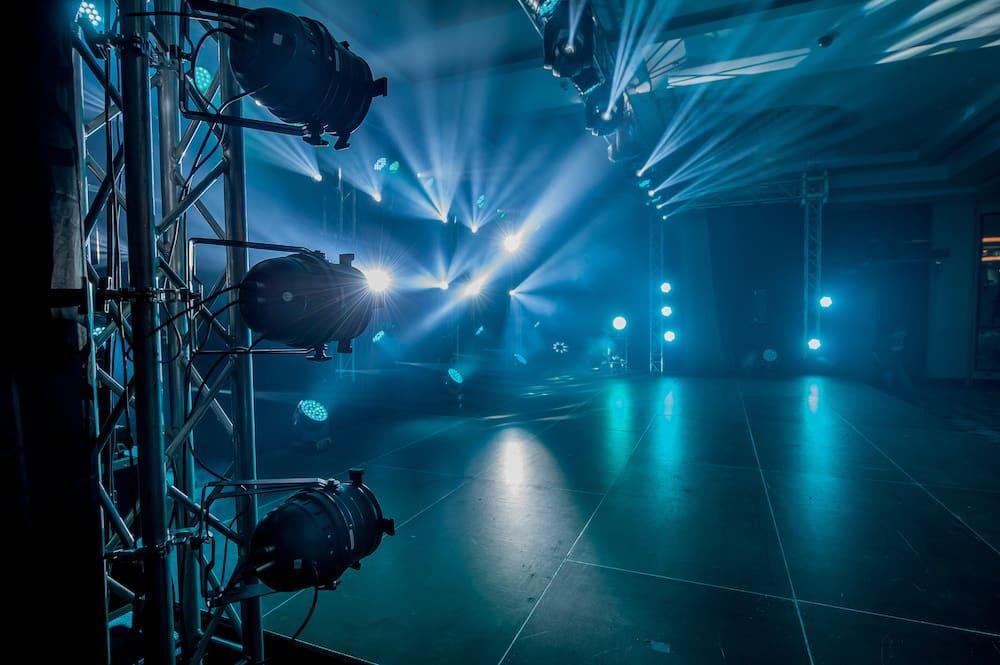
Fundamentals of Theatrical Lighting
Lighting plays a crucial role in theatre productions. It not only illuminates the stage but also sets the mood and tone for the performance. The right lighting enhances the audience's experience and guides their attention to key moments, making it essential for production teams to collaborate with experienced stage lighting suppliers to achieve the best results. Without effective lighting, even the most talented actors can struggle to convey emotions and narrative arcs. So, how does lighting truly impact a theatrical performance?
Choosing the right light is essential for any production team. With various types of lights available, it becomes important to understand how each light serves different purposes. From beam lights to spotlights, each has its characteristics and intended uses. By selecting the most suitable lighting setup, teams can optimize the visual storytelling of a production. Therefore, understanding the fundamental aspects of theatrical lighting is vital for successful stagecraft.
Technical Characteristics of Beam Lights
Beam lights are designed to create intense, focused beams of light. They typically have a narrow beam angle, which allows for a precise projection of light onto specific areas. This feature makes beam lights perfect for highlighting specific aspects of a scene or performance. Their high intensity can cut through ambient light, making them ideal for vibrant stage scenes that require emphasis. One significant advantage is their ability to create striking light effects that can dramatically alter a scene's atmosphere.
In theatre, beam lights serve multiple roles beyond just illumination. They are often used in concert hall productions and large scale performances where long throw distances are necessary. Whether achieving dramatic backlighting or dazzling aerial effects, these lights shine in various settings. Their versatility extends to the quality of light, often producing colorful and vibrant effects that enhance visual storytelling. However, it's important to consider the limitations of beam lights in terms of their breadth of coverage.
Advantages of Beam Lights
Beam lights offer numerous benefits in theatrical productions. Firstly, their brightness levels can create stunning visual impacts that draw the audience's attention immediately. They also have a longer throw distance than many other light types, allowing for effective use in large venues. The ability to project sharp beams adds a level of professionalism to stage designs. Moreover, their versatility makes them suitable for different styles of performances, from musicals to dramatic plays.
However, with every advantage comes a set of limitations. Beam lights are not always the best choice for subtle lighting changes or soft fades. Their narrow focus can create harsh shadows and limit the overall lighting design if not combined with softer lights. This contrasts with other light types that might offer a more rounded approach to atmosphere creation. As a result, while beam lights are powerful tools, they should be used thoughtfully.
Technical Characteristics of Spotlights
Spotlights are designed to provide focused beams of light that can be adjusted for sharpness and intensity. This characteristic allows for ideal highlighting of performers or important stage elements. Spotlights can be used effectively for close-ups in dramatic scenes, where every emotion is conveyed through body language and facial expressions. They can also be adjusted to create softer edges, blending seamlessly with other lighting types. Their adaptability makes them an essential part of many theatrical setups.
The versatility of spotlights goes beyond mere function; they also serve artistic purposes. In theatrical productions, spotlights are crucial for creating mood and drawing attention. For example, a spotlight on a solo performer can convey isolation, while multiple lights can create a vibrant ensemble. They also allow for creative effects, such as shadow play or transitioning scenes with different focal points. This capability means spotlights can support various narrative techniques and enhance storytelling.
Advantages of Spotlights
Spotlights have distinct advantages that set them apart. One of their main strengths lies in their focus capabilities. Unlike beam lights, spotlights can adjust the intensity and shape of the beam, allowing greater control. This versatility means productions can vary their approach to different scenes, offering a more dynamic lighting atmosphere. Additionally, spotlights are excellent for highlighting actors without overpowering the overall stage brightness.
On the other hand, spotlights come with specific drawbacks. They may require more extensive control to avoid creating overly bright areas or unexpected shadows. This can place demands on the lighting technician's skills and experience. Additionally, spotlights can be less effective in larger venues without proper distance management. The challenges mean that thoughtful planning is necessary when incorporating spotlights into a production.
Comparing Beam Lights and Spotlights
When comparing beam lights to spotlights, brightness and intensity come to the forefront. Beam lights are known for their high intensity and narrow focus. These lights create dramatic effects and highlight crucial moments in a performance. In contrast, spotlights excel at producing varying intensities, creating shadow play and nuanced lighting. Both lights serve integral but different roles in a well-rounded theatrical production.
Flexibility and control also differ between these lighting types. Beam lights often require specific setups and fixed angles, which may limit their adaptability. Spotlights, however, offer the ability to adjust focus during performances, giving lighting designers a greater toolkit. This adaptability allows for real-time changes that can enhance audience engagement and immersion. Thus, the ability to manipulate lighting is an essential distinguishing factor when selecting between the two.
Energy efficiency is another practical consideration. Beam lights tend to consume more energy due to their intense output. They can create vibrant visuals but may increase operational costs in the long run. On the other hand, modern spotlights can utilize energy-efficient technologies, which often reduce overall power requirements. It's vital for production teams to weigh these factors against their budget and operational capabilities.
Finally, the cost analysis highlights another important aspect. While both beam lights and spotlights can vary dramatically in price, requirements may dictate choices. Production teams must consider not only the initial investment but also how often each lighting type needs replacement or maintenance. Selecting lighting that balances both quality and cost-effectiveness becomes an essential step in any production’s planning.
Artistic Implications and Effects
The artistic implications of lighting choices are significant in shaping the mood and atmosphere of theatrical productions. For instance, beam lights can instill a sense of urgency or celebration through their bright and focused bursts. They can accentuate climactic moments, creating an electric experience for the audience. In contrast, spotlights provide a softer approach that can evoke introspection or highlight emotional depth, often benefitting quieter scenes. Therefore, understanding how each lighting type influences mood is pivotal to effective storytelling.
Moreover, lighting influences audience perception on a deeper level. A well-lit scene can draw viewers’ eyes to crucial action, ensuring they do not miss key narrative elements. When combined with costume and scenic design, the lighting can elevate performances from simple storytelling to a visually stunning experience. This synergy enhances the overall production, allowing for a more comprehensive emotional experience. Hence, artists should thoughtfully consider how lighting shapes perceptions throughout their work.
Compatibility with Scenic and Costume Design
Another important aspect to consider is the compatibility of lighting choices with the scenic and costume design. Different light types interact uniquely with colors, materials, and textures. Beam lights can enhance certain colors, making them pop vividly on stage, while spotlights may wash out details if not properly angled. This interplay means that meticulous planning is required to ensure the lighting supports rather than detracts from the overall design vision.
Moreover, the collaborative nature of theatre means that lighting, scenic, and costume designers must communicate effectively. During rehearsals, the lighting choices can be adjusted to better fit the visual concepts created by other team members. This coordination leads to a cohesive aesthetic that enhances the storytelling elements in performance. Therefore, appreciating compatibility among these elements is essential for successful theatrical productions.
Practical Considerations for Production Teams
Rigging and installation are practical aspects that need serious consideration when using beam lights or spotlights. Proper setup ensures safety and functionality, and the correct positioning can significantly influence performance quality. An experienced technician is invaluable, as inadequate rigging can lead to equipment failures or even accidents. It's essential for teams to understand how each type of light requires different installation protocols and careful planning to avoid mishaps.
Maintenance and durability are also important factors to consider. Beam lights may require more frequent maintenance due to their intensity levels and potential heat generation, while spotlights can offer longevity and reliability with proper care. In either case, setting a regular maintenance schedule can help avert unexpected issues during performances. This planning not only saves costs in the long run but also guarantees consistent lighting quality throughout the show's run.
Training and operation play a critical role in ensuring successful lighting execution. Technicians must be well-versed in operating both beam lights and spotlights. This familiarity ensures they can adjust lighting as needed during performances. As technology continues to evolve, it's essential that production teams stay current on operational methods, enhancing performance quality. Thus, investing in technician training directly benefits the overall production.
Future Trends in Theatrical Lighting Technology
As we look to the future, innovations in beam light technology are shifting how productions approach lighting. Modern advancements allow for enhanced control, including programmable settings that can adapt in real time. New software developments also enable smoother color transitions and effects, providing even greater creative freedom for lighting designers. These innovations promise exciting possibilities, simplifying complex setups and allowing for dynamic performances.
Spotlight design is also advancing rapidly. Manufacturers are developing more energy-efficient models that retain the brightness needed for theatrical performances. High-quality LED spotlights are becoming more prominent, reducing stress on energy consumption while maintaining performance quality. Additionally, improvements in spotlight optics are enhancing the sharpness and focus capabilities, broadening their artistic uses in theatre.
The integration of smart lighting systems is another trend gaining traction. These systems allow for synchronized lighting control across various devices, greatly enhancing coordination between lighting and other technical elements. This interconnectedness presents exciting opportunities for creative storytelling through dynamic lighting effects. The incorporation of technology into lighting systems will continue to evolve, making productions more engaging and accessible.
Recommendations for Theatrical Productions
When choosing lights, several factors come into play. First, consider the size and type of the venue. A large auditorium might benefit from powerful beam lights, while smaller spaces could thrive with adaptable spotlights. Additionally, evaluating the play genre is crucial; for instance, a musical might call for vibrant beam effects, while a drama may necessitate softer, focused spotlights. Balancing these factors will lead to a well-rounded lighting plan.
For successful lighting combinations, think creatively about mixing light types. Combining beam lights with spotlights can create depth and dimension on stage. For example, use beam lights to highlight ensemble performances while employing spotlights for intimate character moments. This layering technique amplifies visual storytelling and keeps the audience engaged.
Finally, tailoring lighting choices to different play genres ensures the lighting supports the narrative effectively. Each genre has unique requirements; comedies might require bright, colorful lighting, whereas thrillers could benefit from stark contrasts and dramatic shadows. By aligning lighting with the specific mood and tone of the production, theatrical teams can elevate the overall experience for audiences. This tailored approach reflects an understanding of the integral role lighting plays in the theatrical landscape.