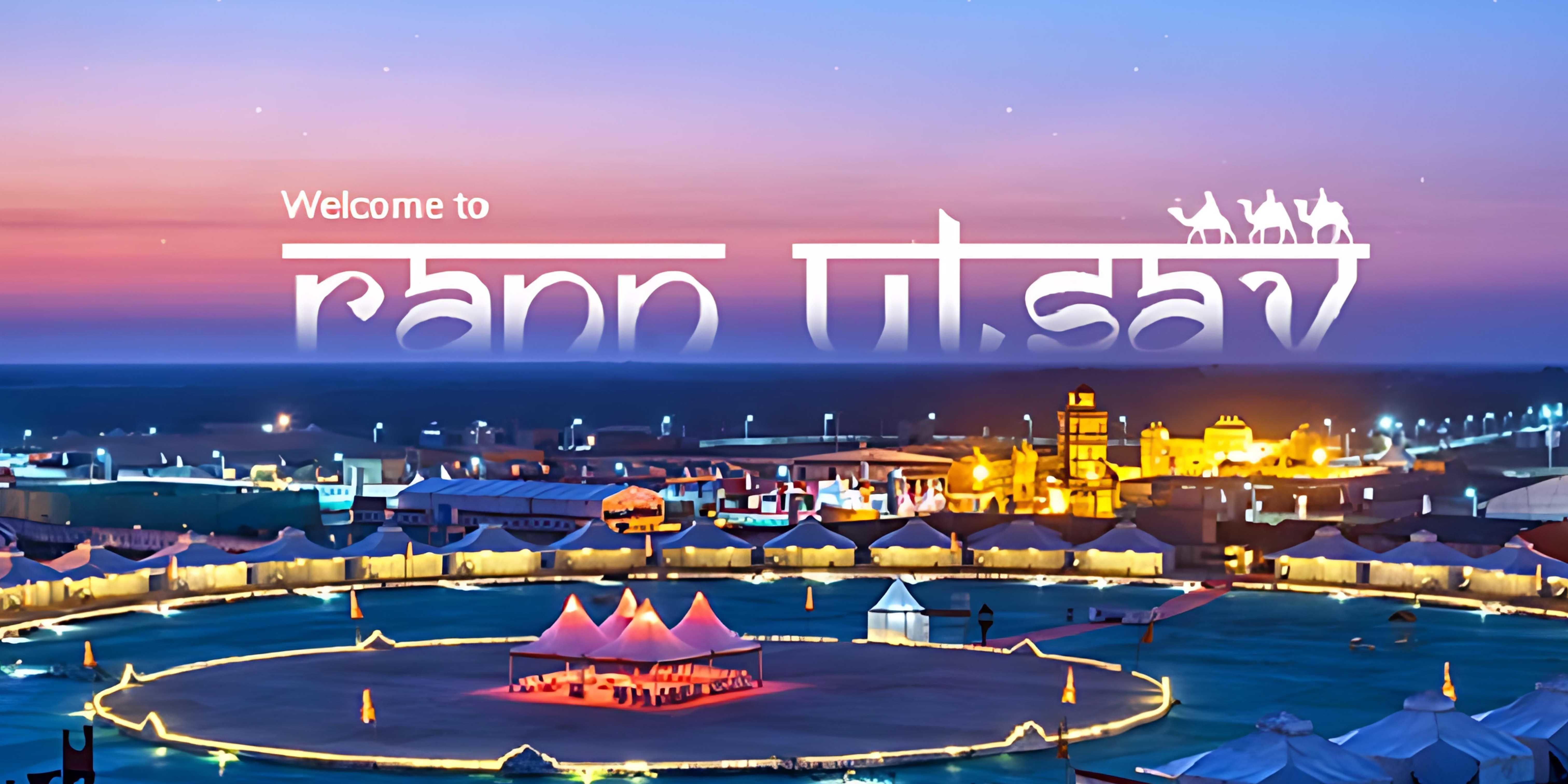
The Rich Tapestry of Rann Utsav
Rann Utsav is much more than just a festival; it’s a vibrant expression of culture and heritage in the heart of Gujarat, India. Historically, it started as a way to celebrate the local landscape and the diverse communities within it. Over the years, it has evolved into a grand event showcasing the colors, sounds, and crafts of the region. The festival takes place in the White Desert, or Rann of Kutch, which serves as a stunning backdrop. This setting amplifies the experience, drawing visitors from around the world to witness the splendor of folk traditions.
Significantly, Rann Utsav plays a crucial role in preserving the cultural heritage of Gujarat. The festival provides a platform for local artisans and performers to exhibit their crafts and talents. By doing so, it ensures that traditional practices are passed down through generations. Furthermore, visitors get to engage directly with the culture, learning about its intricacies. This connection fosters an appreciation for local traditions and is essential for the ongoing preservation of this unique heritage.
Intricate Embroidery Art Forms
One of the most captivating aspects of Rann Utsav is the intricate embroidery that showcases the artistic prowess of local artisans. The festival highlights several types of traditional embroidery. Among these, Kutchi embroidery stands out for its vibrant colors and intricate mirror work. This type originates from the Kutch region and often incorporates geometric designs and motifs inspired by nature. Similarly, Rabari embroidery, created by the Rabari community, features eye-catching patterns that reflect their pastoral way of life. Finally, Ahir embroidery is less commonly known, but its subtle designs hold significant cultural meaning, often telling stories of their beliefs and surroundings.
The techniques and materials used in these embroideries are just as fascinating. Artisans typically employ locally sourced threads and fabrics, creating pieces that resonate with the environment. Common materials include cotton and silk, meticulously stitched using traditional methods passed down over the years. The creation of each piece can take weeks or even months, showcasing the dedication of the craftspeople. Additionally, motifs in the embroidery often carry deep meanings and local legends. These stories can be about nature, spirituality, or everyday life, adding another layer of richness to each design.
Musical Traditions of Rann Utsav
Rann Utsav is also renowned for its diverse musical offerings. The festival features various folk music styles that are integral to the region’s cultural identity. For instance, Dayro is a unique storytelling tradition that captivates audiences with its rhythmic narrations and ballads. Performers often recount tales of heroism and mythology, bringing the stories to life. Additionally, Sufi music finds prominence here, resonating with its spiritual messages and enchanting melodies. It enhances the festival’s vibrancy, allowing audiences to connect on a deeper level.
Among the performances, Bhajan holds a special place as it represents the spiritual side of the desert culture. These soulful songs praise deities and offer a sense of community and devotion. As for the instruments, you’ll encounter various traditional ones. The dhol, an upbeat drum, invigorates the atmosphere, while the flute adds a melodic layer to the music. Local musicians bring their individual flair, enriching the overall soundscapes of the festival. Their contributions are vital, as they help maintain the essence of these musical traditions for future generations.
Vibrant Dance Forms Showcased
Dance is another key aspect of Rann Utsav, with multiple styles celebrated throughout the festival. One of the standout forms is Garba, a lively dance that embodies joy and community spirit. Typically performed in a circle, this dance invites everyone to participate regardless of age. Dancers often wear traditional attire, which adds to the festive atmosphere. Another exciting dance style you’ll see is Dandiya Raas, which involves rhythmic stick movements and colorful outfits. Both Garba and Dandiya Raas highlight the social aspect of the festival, as they encourage communal participation.
On the flip side, Hudo is a rhythmic dance that showcases the region's cultural depth. It often features simple yet captivating movements, pairing well with the vibrant music. Costumes used in these dances are particularly significant, often reflecting the community’s traditions and values. Bright colors and intricate patterns are commonplace, serving as both artistic expression and cultural representation. During the festival, there’s also an opportunity for the audience to join in. Workshops provide hands-on experience, allowing attendees to learn these dance forms directly from the performers.
Cultural Significance and Social Impact
Rann Utsav plays an essential role in local community building. The festival fosters a sense of unity among various cultural groups, emphasizing shared traditions and values. Local artisans benefit greatly from this, as they gain exposure and appreciation for their crafts. Furthermore, by drawing visitors, the event contributes to economic stability in the region. Local businesses thrive, ensuring that communities remain vibrant and active.
The festival also boasts educational benefits for artisans, who can learn modern adaptations of traditional techniques. This blend of old and new contributes to preserving their craft while appealing to contemporary markets. Additionally, efforts are made to engage younger generations in learning these traditions. During the festival, workshops and demonstrations encourage youth participation, ensuring that skills and knowledge are passed down. Thus, Rann Utsav stands as a testament to the resilience and adaptability of cultural heritage.
Planning Your Visit to Rann Utsav
If you're considering attending Rann Utsav, timing is crucial to experiencing the full spectrum of embroidery, music, and dance. The best months to visit are typically from November to February, when the weather is pleasant and conducive for outdoor activities. Additionally, during these months, the festival showcases its most vibrant performances, making it an ideal time to explore. Plan your itinerary around key events for an immersive experience.
Connecting with local artisans and performers can also enhance your visit. Don’t hesitate to engage them in conversation; this often leads to insightful stories and a deeper understanding of their crafts. Most artisans are proud to share their heritage and techniques. For accommodation, it’s advisable to book ahead, as this popular festival attracts many visitors. Look for places that offer a unique cultural experience, such as staying in traditional huts or tents. With careful planning, your visit to Rann Utsav can be a memorable exploration of Gujarat's rich cultural tapestry.
Find more details here:
rann utsav